The way that we learn about Helen Keller in school is an absolute outrage. We read “The Miracle Worker”- the miracle worker referring to her teacher; she’s not even the title character in her own story. The narrative about disabled people that we are comfortable with follows this format- “overcoming” disability. Disabled people as children.
Helen Keller as an adult, though? She was a radical socialist, a fierce disability advocate, and a suffragette. There’s no reason she should not be considered a feminist icon, btw, and the fact that she isn’t is pure ableism- while other white feminists of that time were blatent racists, she was speaking out against Woodrew Wilson because of his vehement racism. She supported woman’s suffrage and birth control. She was an anti-war speaker. She was an initial donor to the NAACP. She spoke out about the causes of blindness- often disease caused by poverty and poor working conditions. She was so brave and outspoken that the FBI had a file on her because of all the trouble she caused.
Yet when we talk about her, it’s either the boring, inspiration porn story of her as a child and her heroic teacher, or as the punchline of ableist, misogynistic jokes. It’s not just offensive, it’s downright disgusting.
the reason the story stops once hellen keller learns to talk is no one wanted to listen to what she had to say
how’s that for a fucking punchline
Another part of the story that is often conveniently omitted is that Anne Sullivan, the “miracle worker” in question, was also a visually impaired woman (and abolitionist) who faced her own struggles finding accessible education. That was why she was able to teach Helen Keller and connect her with resources that would allow her to flourish in academia. When Helen Keller was railing against poverty-induced diseases that caused blindness, she was talking about things like trachoma which was what had caused her friend’s vision loss.
The fact that Sullivan is often portrayed as able-bodied in retellings of their story is indicative of the narrative that is most comfortable for an ableist society: that accessibility and equality are gifts bestowed upon the disabled by able-bodied heroes. Disabled children are never taught that they have the power to lift eachother up, and that’s a crying shame.
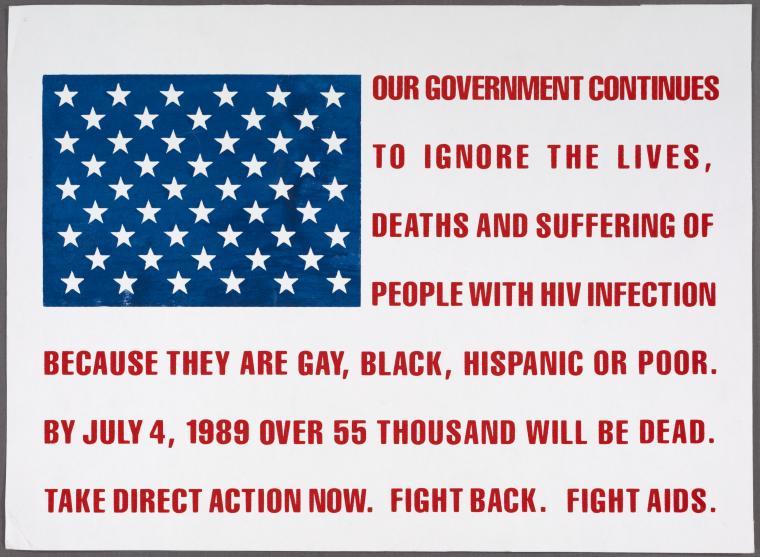
OUR GOVERNMENT CONTINUES TO IGNORE THE LIVES, DEATHS AND SUFFERING OF PEOPLE WITH HIV INFECTION BECAUSE THEY ARE GAY BLACK, HISPANIC OR POOR. BY JULY 4, 1989 OVER 55 THOUSAND WILL BE DEAD. TAKE DIRECT ACTION NOW. FIGHT BACK. FIGHT AIDS.